Guatemala’s President Removes Sanctioned Attorney General Amid Anti-Corruption Fight
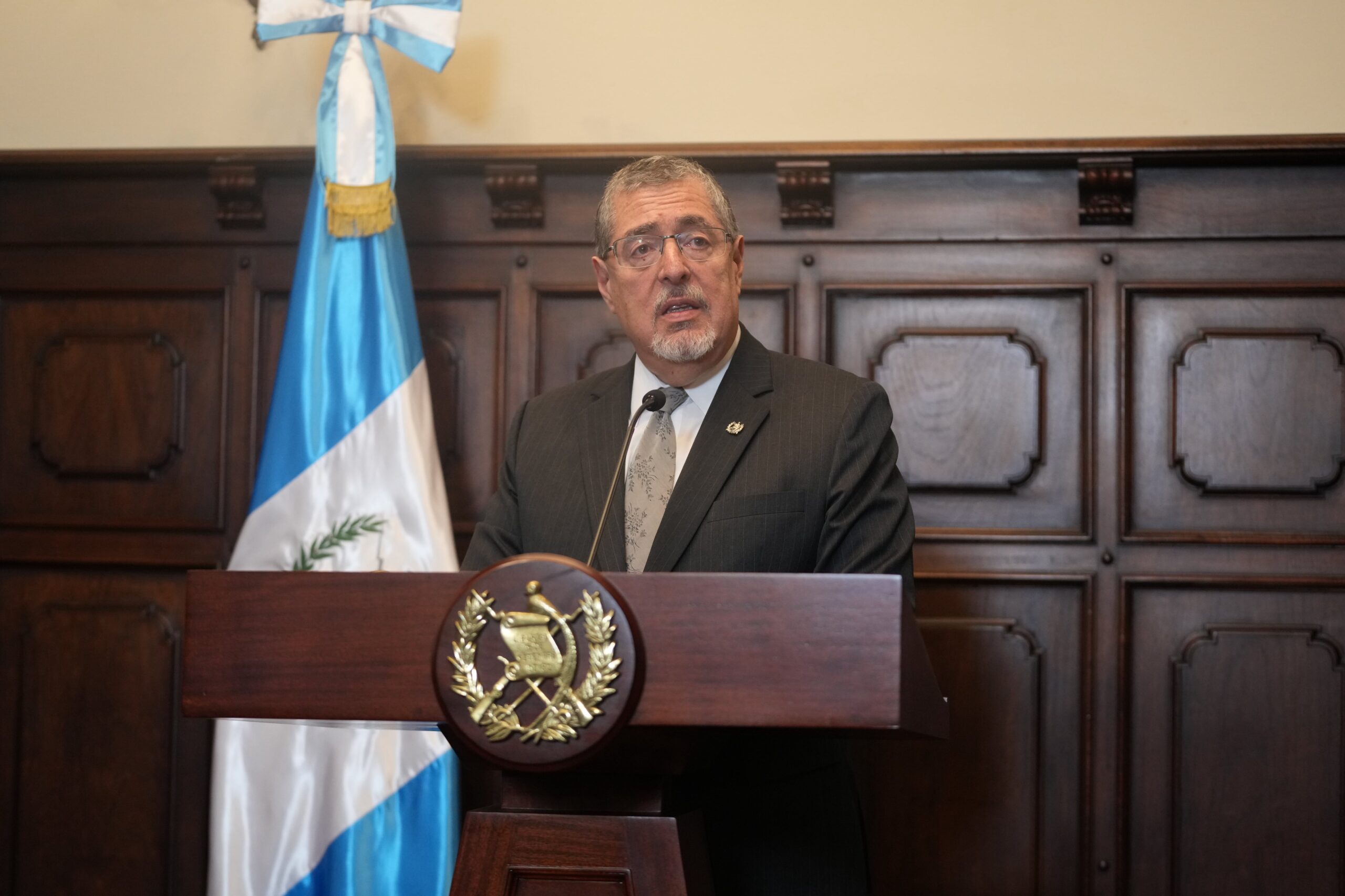
Guatemala City — President Bernardo Arévalo has appointed a new attorney general, ending a ruthless years-long battle with the outgoing prosecutor, Consuelo Porras, who faced sanctions by more than 40 countries for obstructing anti-corruption investigations.
In a sharp move announced Tuesday, Arévalo selected lawyer Gabriel Estuardo García Luna to replace Porras as head of Guatemala’s national Prosecutor’s Office when her term ends on May 17. The change signals a decisive break from a deeply polarized justice system plagued by political interference and corruption.
Years of Fierce Conflict with International Impact
Porras has been a controversial figure, accused of weaponizing the Prosecutor’s Office to criminalize political opponents, journalists, and former officials, including efforts to undermine Arévalo’s administration. Her tenure sparked repeated international condemnation as evidence mounted that she shielded entrenched corrupt interests.
Arévalo’s government accused Porras of using the office to stall investigations and conduct politically motivated raids, including high-profile actions against Arévalo’s Seed Movement party. Authorities raided party offices, opened seized ballot boxes, and attempted numerous times to lift the president’s immunity, heightening tensions inside the fragile democracy.
New Attorney General Promises Independence and Reform
García Luna, 49, is a seasoned attorney with over 22 years of experience and advanced legal studies. He was picked from a rigorous selection process involving the Supreme Court, law school deans, and the national bar association, which reviewed 48 applications.
Bernardo Arévalo said: “The Public Ministry is getting a new authority who does not come to serve a president, the government of the day, or particular or spurious political interests.”
This appointment is seen as a strong signal to reinvigorate the justice system and remove the political bias that has crippled anti-corruption efforts for years. Porras’ legacy of obstruction has drawn widespread international sanctions, creating diplomatic friction with Guatemala’s allies, including the United States.
Why This Matters Now
Guatemala’s attorney general operates independently of the president, making the office a pivotal battleground for the country’s rule of law. For years, presidents have been forced to work with adversaries in this powerful post, frustrating reform efforts.
Arévalo’s bold move could reshape the government’s ability to tackle corruption at the highest levels and respond to citizen demands for justice and transparency. It also holds implications for U.S. foreign policy and regional stability, as Washington closely monitors corruption and governance in Central America.
What to Watch Next
Gabriel Estuardo García Luna officially assumes office on May 17. The coming months will test his ability to restore credibility, advance anti-corruption cases, and resist political pressures.
International observers and human rights advocates will watch closely for swift reforms, increased prosecutions of corrupt actors, and fairer treatment of opposition groups. The transition could mark a turning point in Guatemala’s decade-long struggle against corruption that has undermined democracy and economic progress.
For American audiences, Guatemala’s shift signals renewed hope for stability in a country that remains a critical player in Central America’s future and U.S. regional security interests.