Lake Champlain Water Levels Fall Significantly Below Average This Spring
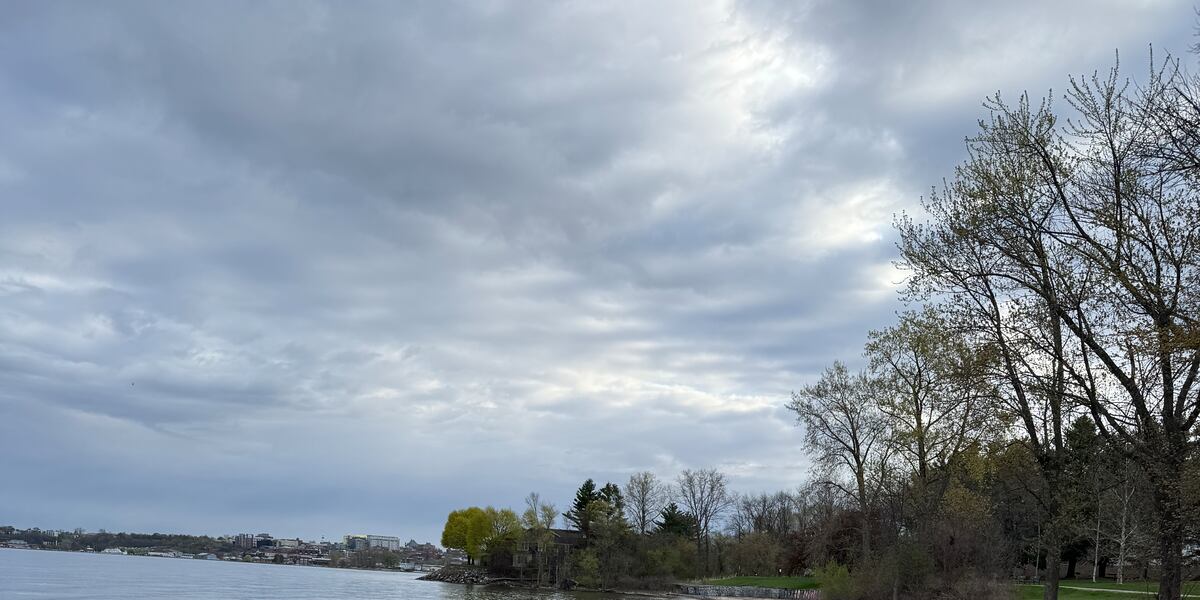
BURLINGTON, Vt. — Lake Champlain’s water level is currently more than a foot below its typical spring average, officials confirmed, marking a concerning low point for the region’s largest lake.
The discrepancy is surprising to many locals who see the shoreline and assume water levels are normal or even high. However, the lake appeared deceptively full because it experienced an exceptionally low level during late August through October of last year, setting the stage for today’s deficit.
Snowfall Deficit Drives Water Shortage Despite Recent Rain
The core driver behind the lake’s low levels is a significant deficit in snowfall, particularly throughout the critical months of February, March, and April. Burlington recorded just 8.1 inches of snow in March, which is less than half the average March snowfall of 17.5 inches. February and April also saw below-average snowfalls.
This lack of snowpack in the surrounding mountains, including Vermont’s highest peak, Mount Mansfield, led to reduced runoff that normally raises Lake Champlain’s water levels each spring. While the region’s overall precipitation in the last 90 days was slightly above average, much of it came as rain, insufficient to compensate for the missing snowmelt.
Experts warn that this imbalance between rain and snowpack is an immediate concern for the lake’s ecosystem and surrounding communities.
Monitoring Lake Levels for Summer Outlook
Lake monitors report the snowpack at Mount Mansfield has been consistently below average since March 30, signaling continuing stress on water resources. Officials stress while this situation isn’t as dire as last year’s record low, a close watch is essential.
The outlook for May through July indicates a slight chance of increased precipitation, which could help boost lake levels if rain falls over the mountains and replenishes the snowpack adequately.
WCAX meteorologists have pledged ongoing coverage and updates across broadcast and social media platforms, underscoring the evolving nature of Lake Champlain’s water levels as the spring continues.
Why This Matters to Americans Today
Lake Champlain is a critical freshwater resource that impacts millions across Vermont, New York, and New Hampshire. Its water levels affect everything from local wildlife and ecosystems to tourism, boating, fishing industries, and residential water supplies in the region.
The current below-average level serves as a stark reminder of changing weather patterns and their tangible impact on the environment and community livelihoods.
Residents, businesses, and visitors are encouraged to stay informed as conditions develop through the warmer months, with potential ripple effects if water levels do not recover.
What’s Next?
Authorities and meteorologists continue to analyze weather trends and snowpack reports daily. The public can expect live updates and forecasts that will detail how precipitation patterns this spring affect Lake Champlain’s recovery or continued decline.
For those in the region, monitoring river flows, lake levels, and water use restrictions could become increasingly important in coming months as water managers assess risks tied to the current low levels.
“While not as critical as last year, Lake Champlain’s lower-than-average water level demands our close attention as we enter summer,” said local hydrologists. “We’re watching conditions daily.”
Stay tuned for ongoing coverage of this developing environmental story on WCAX and affiliated social channels.