Barbara Kopple Exposes Amazon’s Labor Abuses in Urgent New Documentary
Legendary filmmaker Barbara Kopple, known for her Oscar-winning documentaries on coal miners and meatpackers, is tackling one of today’s most pressing labor issues: Amazon’s treatment of delivery workers and the fragile state of the American labor movement.
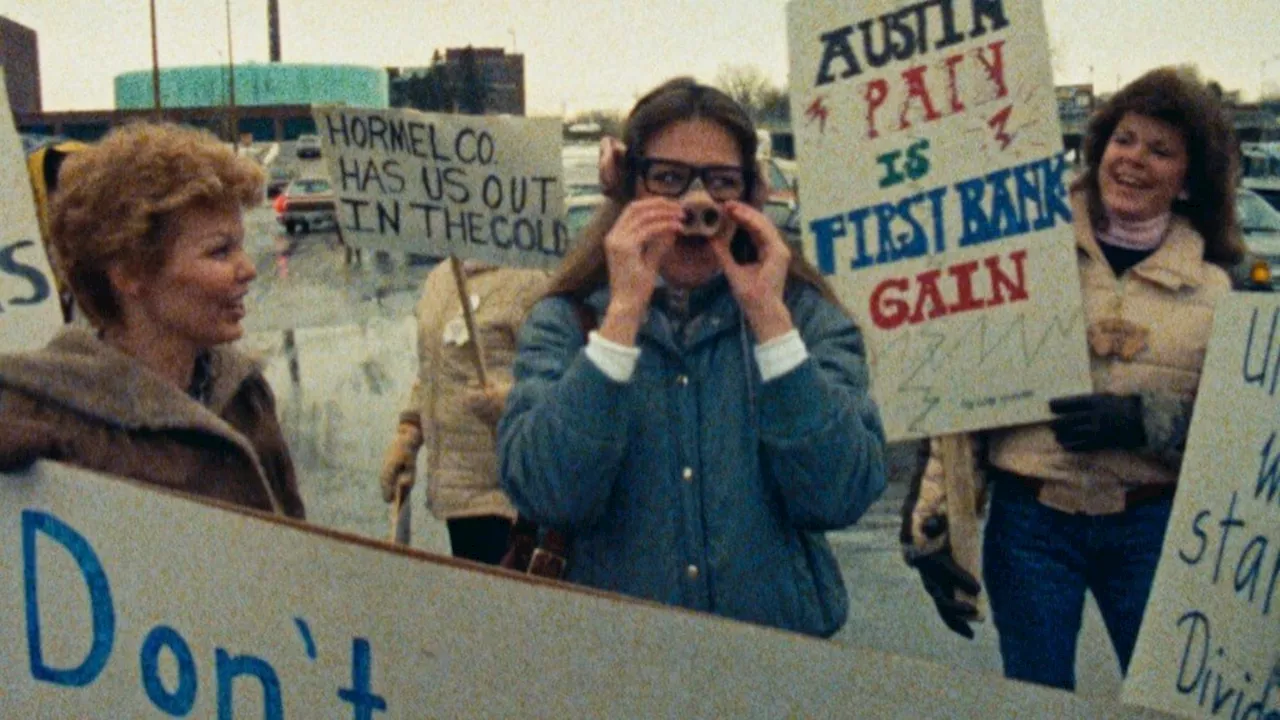
Since her breakthrough film in 1976 chronicled a coal miner’s strike in Kentucky, Kopple has captured the fierce struggles of American workers fighting powerful corporations. Her classic Oscar-winning 1990 documentary followed the bitter Hormel meatpacking strike in Austin, Minnesota, revealing corporate dominance and fractured union loyalties that still haunt workplaces today.
New Documentary Focuses on Amazon and UPS Labor Crisis
Now, Kopple turns her lens on Amazon, UPS, and the Teamsters union, spotlighting the precarious lives of “deliveristas” — predominantly immigrant delivery workers who own their bikes or motorcycles but lack health coverage and job protections. These gig workers face the risk of immediate firing, injury without compensation, and intense isolation from any real support network.
“Amazon never hires these workers directly, yet it controls their fate,” Kopple explained. “If they get hurt or have a problem, they’re completely on their own.” This story is unfolding amid rising public scrutiny of labor rights in the gig economy, making Kopple’s documentary a potentially powerful intervention.
Labor Movement Fractures Mirror Past Struggles
Kopple draws parallels between past and present labor battles, describing scenes from the 1980s where family ties strained under union divisions. In Minnesota, she chronicled long-time union members torn between family loyalty and solidarity on the picket lines. These moments still resonate as workers today grapple with corporate tactics designed to divide and conquer.
Her new film dives deep into these tensions, presenting opposing perspectives honestly to let audiences decide for themselves. “Some workers said, ‘My family comes first,’ even when it meant crossing picket lines,” Kopple said. “It was heartbreaking and showed how tough survival decisions remain.”
The Fight Continues Despite Political Headwinds
Kopple warns that the current climate echoes an “anti-union, anti-arts” era reminiscent of Reaganomics, with funding for social-issue documentaries drying up. She recalls personal struggles funding her early films, even enduring power shutoffs while working on Oscar-winning projects.
Despite these challenges, her drive to document workers’ stories remains strong. “You have to be as creative fundraising as you are making the film,” she said. “If you finish the film and people see it, you’ve created something no one can erase.”
What to Expect Next
Kopple’s upcoming documentary promises an unflinching look at the modern labor landscape, focusing on how corporations exploit loopholes to undermine workers’ rights in the delivery economy. It also highlights UPS and Teamsters’ ongoing battles to enforce contracts and protect members.
Given Kopple’s decades of on-the-ground experience living within labor communities—sometimes for years at a time—her latest film is expected to offer intimate, deeply human insight into one of America’s most urgent social crises.
As the debate over union rights intensifies nationwide, Barbara Kopple’s new work will be critical to understanding how the American Dream is being redefined—and resisted—by today’s workforce.
“It feels like another Reagan era with attacks on unions and social funding, but the energy to fight is still alive,” Kopple said.
Why This Matters Now
With Amazon’s delivery network expanding rapidly and gig workers increasingly demanding protections, Kopple’s documentary arrives at a crucial moment. It sheds light on the hidden human costs behind convenient online shopping and raises urgent questions about labor justice in 2026 America.
For millions of workers struggling for dignity and fair pay, this film offers a timely and powerful voice. For viewers, it’s a chance to witness the true cost of a changing economy—before it’s too late.