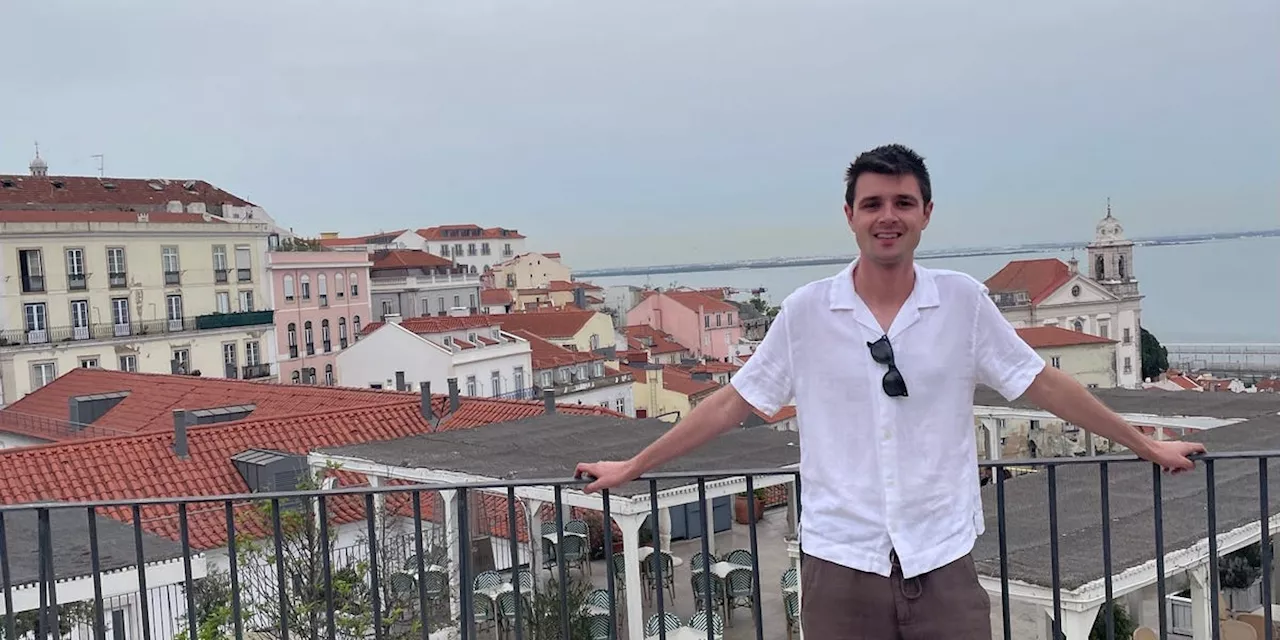
Zachary Biss, a 29-year-old musician from St. Petersburg, Florida, has made an unusual move by sailing across the Atlantic on a two-week cruise to start a new life in Portugal. This developing story reveals how Biss and his girlfriend, Marina, traded long flights for a relaxing transatlantic voyage from Tampa to Lisbon that included multiple stops, unlimited luggage, and a gradual adjustment to the new time zone.
Florida Musician Ditches Soaring Costs With a Unique Atlantic Cruise Move
Biss, who made a living playing guitar and singing covers in bars and restaurants back in the U.S., found himself trapped by sharply increasing homeownership costs. “My electric bill roughly doubled over five years,” he said, explaining his decision to leave Florida. Despite earning more than ever, Biss said, “I have nothing to show for it here,” citing overwhelming bills and frustration with U.S. healthcare costs as a key driver behind the move.
Unlike a plane, their two-week cruise costing $2,500 included food, lodging, and multiple port stops — the Bahamas, the Azores, Porto, and finally Lisbon. Biss praised the cruise as a “bargain,” especially for its no luggage limits, letting both him and Marina bring as many belongings as they could fit, including his guitar.
This unconventional move also helped them avoid the brutal jet lag common after overnight transatlantic flights. “They rolled the clock forward one hour at a time over six days at sea, adjusting us gradually to the new time zone,” Biss explained. “I would totally recommend moving by boat for the luggage benefit alone.”
Why the U.S. Musician Left and What Life in Portugal Offers
The couple’s move is fueled not only by expense but by lifestyle. Biss noted that health insurance in the U.S. for self-employed individuals is prohibitively expensive—his cheapest monthly plan cost about $360, which locals in Portugal say is close to a full year’s healthcare cost there.
Even beyond affordability, the slower pace of life in Portugal contrasts sharply with the constant hustle back home. “People really will take a moment for coffee and a pastry, not just rush through everything,” Biss said, describing it as a “breath of fresh air.”
Though the decision was emotional, it was well-planned. Biss has not yet sold his Florida home but sees moving as a way to thrive rather than just survive. “We’ve been planning it for so long, but I got to the point where I didn’t want to wait anymore,” he shared.
For Americans watching for alternative paths to relocation in 2026, Biss’s story spotlights a growing trend—moving abroad using slow travel options like repositioning cruises. These cruises are often underbooked and offer packages that include meals, lodging, and port stops, making them cost-efficient when factoring in convenience and baggage allowances.
What’s Next for the Florida-to-Portugal Transatlantic Mover
As Biss settles into life in Portugal, his story underscores bigger conversations about work-life balance, healthcare, and cost of living pressures confronting many Americans. His move is both personal and emblematic of a wider search for affordability and quality of life abroad.
Experts say that while flying remains the quickest option, gradual relocation by sea offers unique benefits, especially in 2026 where flexibility and wellness are priorities. With his guitar in one hand and passports in the other, Biss has sailed into a new chapter—and it may inspire others looking beyond traditional relocation paths.
“The biggest perk was no hard luggage limit and slowly adjusting to time zones over six days,” Biss said of the cruise.
Stay tuned for updates on Zachary Biss’s transition to Portuguese life and insights on slow travel as an emerging relocation trend.