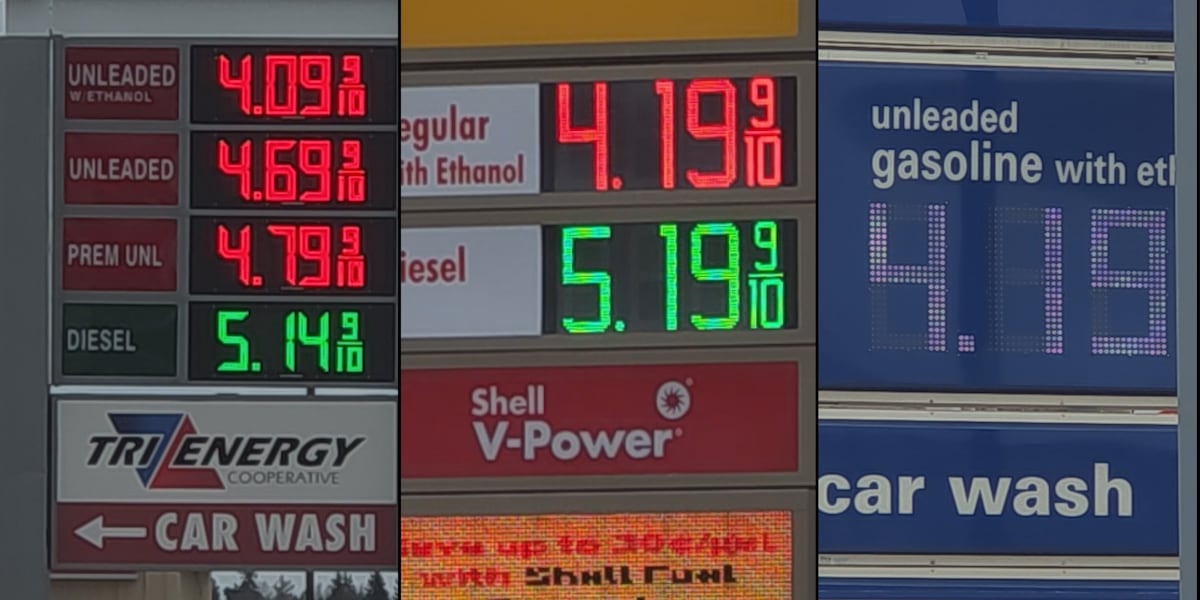
North Dakota Gas Prices Surge 30 Cents in One Week Amid Iran Conflict
North Dakota drivers are facing a sharp increase at the pump as gas prices climb more than 30 cents in just one week, pushing the statewide average to $4.08 per gallon, according to the American Automobile Association (AAA). This surge comes amid ongoing conflict between the U.S. and Iran, which has now lasted over two months with no resolution in sight.
The Strait of Hormuz remains closed, severely impacting global oil supplies and sending shockwaves through energy markets. This bottleneck has triggered a national gas price surge, with averages rising 49% since late February, marking the highest prices seen since July 2022.
Local Impact Grows as North Dakota Prices Climb Over Last Week
North Dakota’s current average of $4.08 per gallon is still about 40 cents lower than the national average of $4.48 per gallon. However, the state has experienced a staggering increase of more than $1 from this time last year, squeezing household budgets and raising concerns for farmers and businesses that rely heavily on fuel and fertilizer.
Representative Julie Fedorchak of North Dakota acknowledged the pressure on residents but remains cautiously optimistic about a turnaround. She highlighted the Bakken oil formation as a key factor that could help stabilize prices.
“It’s tough right now, but what we’re seeing in North Dakota, we can increase production in Bakken,” Fedorchak said. “That’s all helpful and will help continue to stabilize the prices. And once we wrap up this conflict in Iran, I think that our American economy is going to soar and prices are going to go down.”
Why North Dakota’s Price Spike Matters Now
The ongoing war has disrupted global supply chains, driving up costs for essentials including fuel and fertilizer. For North Dakota, a state with a large agricultural sector, rising fertilizer prices threaten crop production and could have ripple effects on food prices nationwide. The gas price jump in just one week is alarming because it indicates how vulnerable the U.S. market remains to geopolitical tensions.
The conflict started in late February and with the Strait of Hormuz closed by combatant forces, oil shipments have been significantly curtailed. This stranglehold on one of the world’s most critical shipping lanes is the primary driver of soaring fuel costs.
What Drivers Should Expect Next
Energy analysts warn that prices could remain volatile while the conflict continues. Residents in North Dakota and across the U.S. should brace for more price fluctuations in the immediate future. Meanwhile, North Dakota’s plan to increase oil production in Bakken may provide some relief over time, but that depends on how soon diplomatic solutions can be reached.
Until then, Americans will likely see gas prices at their highest levels in years, with energy and political uncertainty fueling costs. The situation remains fluid, and developments regarding the Iran war will be closely monitored for impact on supply and prices.
National Gas Price Trends Tied to Global Conflict
Nationally, prices have surged 49% since the war’s onset in February, showing the sharp impact geopolitical events have on everyday Americans. This serves as a reminder that international conflicts can rapidly translate into increased expenses at the pump and for other essentials.
For North Dakota, a state usually benefiting from domestic oil production, the latest spike underscores the interconnectedness of global energy markets and local realities. Residents and officials alike are watching carefully for signs of easing tensions that could bring prices back down.
Stay tuned for updates as the situation evolves and for detailed information on relief efforts and energy market responses.