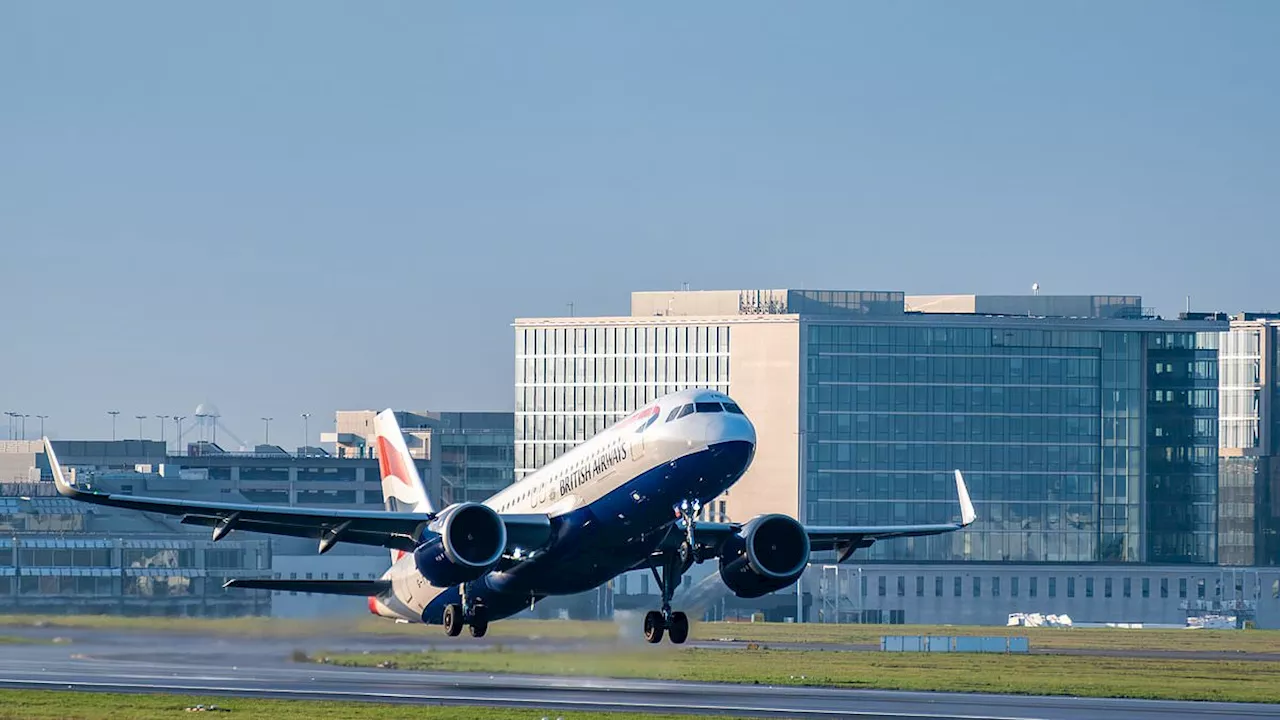
UK authorities have granted airlines new powers to cancel flights weeks in advance due to looming jet fuel shortages sparked by escalating tensions involving Iran and disruptions in the Strait of Hormuz, a crucial shipping lane for fuel supplies.
The Department for Transport (DfT) has introduced temporary contingency measures allowing airlines to consolidate flights and manage fuel more efficiently this summer, aiming to reduce partially filled flights that waste fuel amid geopolitical pressures.
New Measures Aim to Avoid Chaos But Spark Passenger Rights Backlash
The core of the government’s plan allows airlines to reallocate passengers booked on specific flights to alternative services operating the same day and route, giving companies the ability to finalize schedules well ahead and minimize last-minute cancellations.
Transport Secretary Heidi Alexander defended the move, emphasizing that while no immediate fuel shortages exist, proactive steps are critical to preserve smooth travel during peak summer months.
Alexander stated: “These measures are designed to protect both passengers and businesses by allowing airlines to tackle potential fuel supply issues effectively.”
However, opposition voices warn this shift tips the scales unfairly toward airlines and risks harming passenger rights. Which?, a leading consumer group, criticized the plan as weakening protections, especially concerning compensation and rescheduling notices.
Shadow Transport Secretary Richard Holden highlighted the broader issue, describing the crisis as a sign of the UK’s vulnerability to fuel supply disruptions and arguing that stronger energy security is urgently needed.
Global Fuel Disruptions Hit Airlines with Rising Costs and Cuts
Fuel supply constraints are already forcing airlines to cut flights. Air India’s CEO Campbell Wilson revealed the carrier had scrapped 100 flights due to soaring jet fuel prices and ongoing airspace restrictions tied to tensions near the Strait of Hormuz.
Wilson confirmed these cuts, extending into June and July, reflect the financial strain international carriers face amid the uncertain geopolitical climate, signaling a ripple effect that could impact travelers worldwide.
The Strait of Hormuz remains a flashpoint, with no immediate end in sight to the supply disruptions. This intensifies risk for global airline operations, including those serving routes linked to Europe and North America.
What Travelers Need to Know
Passengers flying to or from the UK this summer should prepare for the possibility of last-minute itinerary changes under these new rules. Airlines will be able to cancel or consolidate flights weeks before scheduled departure to conserve jet fuel.
Travelers could find themselves rerouted to different flights on the same day, potentially disrupting plans but theoretically avoiding the chaos of last-minute cancellations currently common at busy airports.
While the government promises most customers will experience service levels similar to previous years, consumer advocates warn vigilance is necessary to prevent passengers from bearing disproportionate inconvenience.
Looking Ahead
The coming weeks will test whether these early cancellation powers can effectively balance fuel conservation with passenger experience during one of the busiest travel seasons. US travelers with connections to UK flights may also feel reverberations if international schedules tighten further.
Authorities and industry watchers alike will be closely monitoring developments as fuel supply resilience, geopolitical tensions, and airline operations all converge to shape summer air travel conditions in 2026.