Alzheimer’s patients often face significant challenges due to memory loss and communication difficulties, leading to feelings of isolation and depression. In response, two innovative programs—one at a senior living center in St. Louis, Missouri, and another at the Upcountry History Museum in Greenville, South Carolina—are employing art and shared memories to foster connection and engagement among patients.
Art Therapy at Sunrise Senior Living
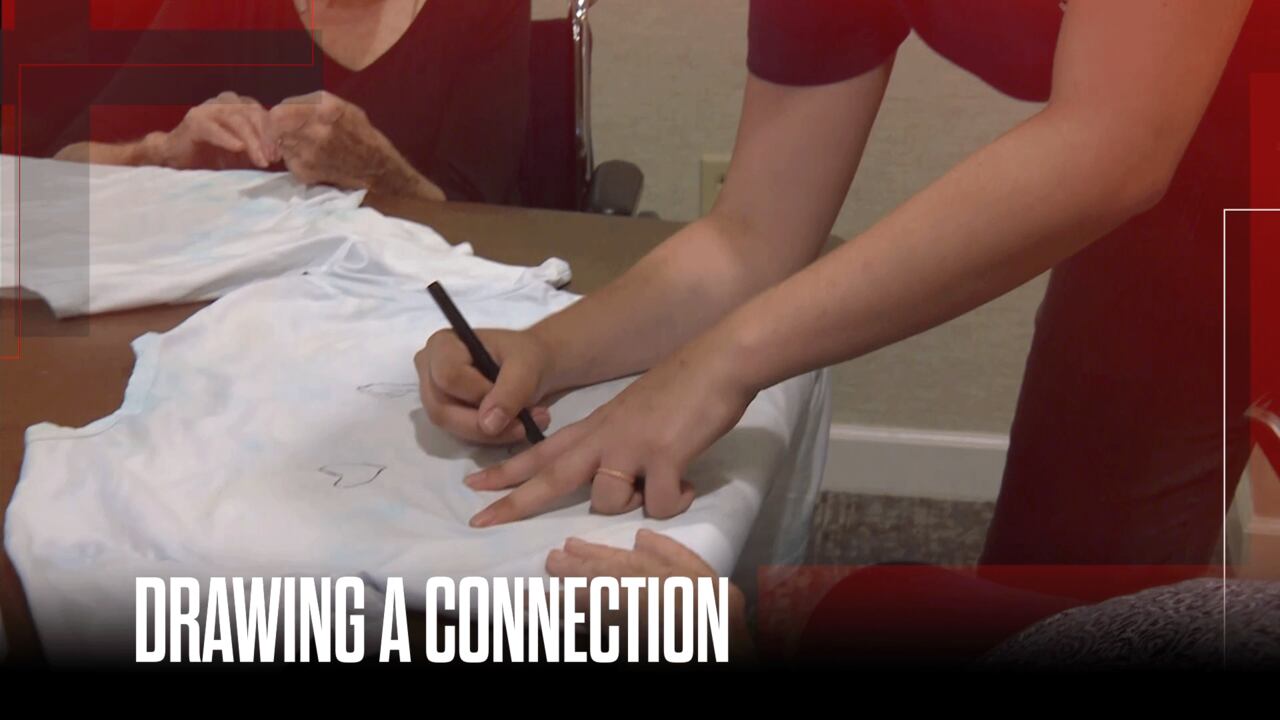
At the Sunrise Senior Living Center in St. Louis, residents in the memory care unit participate in an art therapy program that focuses on creating ornaments and vases. Activities coordinator Kate Bellon has observed the positive impact of this initiative on the residents. “When the mind really starts to digress, it’s really magical when you can see them looking at it and engaging,” Bellon noted. She emphasized the importance of eye contact and even simple gestures, such as smiles, which can be hard to elicit from those affected by Alzheimer’s.
Through these creative activities, residents not only express themselves but also regain moments of clarity and connection, allowing them to connect with their surroundings and each other.
History Museum as a Healing Space
In Greenville, the Upcountry History Museum serves as a vital resource for Alzheimer’s patients. The museum hosts a monthly support group where attendees can explore exhibits that often evoke memories thought to be lost. Joseph Storch, diagnosed with early-onset Alzheimer’s, regularly visits the museum. He shared, “I would forget where I put down anything. I couldn’t keep things in order or organized.” For Storch, certain exhibits resonate deeply, recalling memories of family and personal experiences.
Support group facilitator Pamela Reekie recounted a touching moment involving an attendee and an art display. “We have a lady attending right now who is an artist, and one time we had a display of art and she lit up and was ready to talk about it,” Reekie said. This enthusiasm was a revelation for her husband, who had not witnessed such engagement in a long time.
The museum’s CEO, Dana Thorpe, shared a poignant story of a couple visiting an exhibit themed around “The Wizard of Oz.” The husband recalled a cherished memory of taking their daughter to see the movie, prompting a heartfelt reaction from his wife. “At one point the wife had to step out of the exhibition space so she could just cry,” Thorpe recounted. “She said no, they’re happy tears.” These moments highlight the profound impact of shared memories and experiences in combating the isolation often felt by Alzheimer’s patients.
The benefits of these programs extend beyond the patients themselves. Caregivers also find solace and understanding through the shared experiences. For Storch, building human connections has become integral to his daily routine. He remarked, “I walk about 15,000 steps a day, and I tell people, the first thing I try to do is get somebody to wave back at me or smile. My day is better when I accomplish that.”
These initiatives not only illustrate the therapeutic power of art and history but also underscore the importance of fostering connections that can significantly enhance the quality of life for those living with Alzheimer’s. As communities continue to innovate in care strategies, the potential for art and memory-based programs to improve emotional well-being remains promising.
In related developments, nursing homes are exploring a practice known as “doll therapy,” which some facilities report has successfully helped soothe the agitation commonly associated with Alzheimer’s. This approach offers an additional avenue for providing comfort to patients experiencing emotional distress.
As the field of Alzheimer’s care evolves, the integration of creative and engaging activities continues to play a crucial role in enhancing the lives of patients and their families.