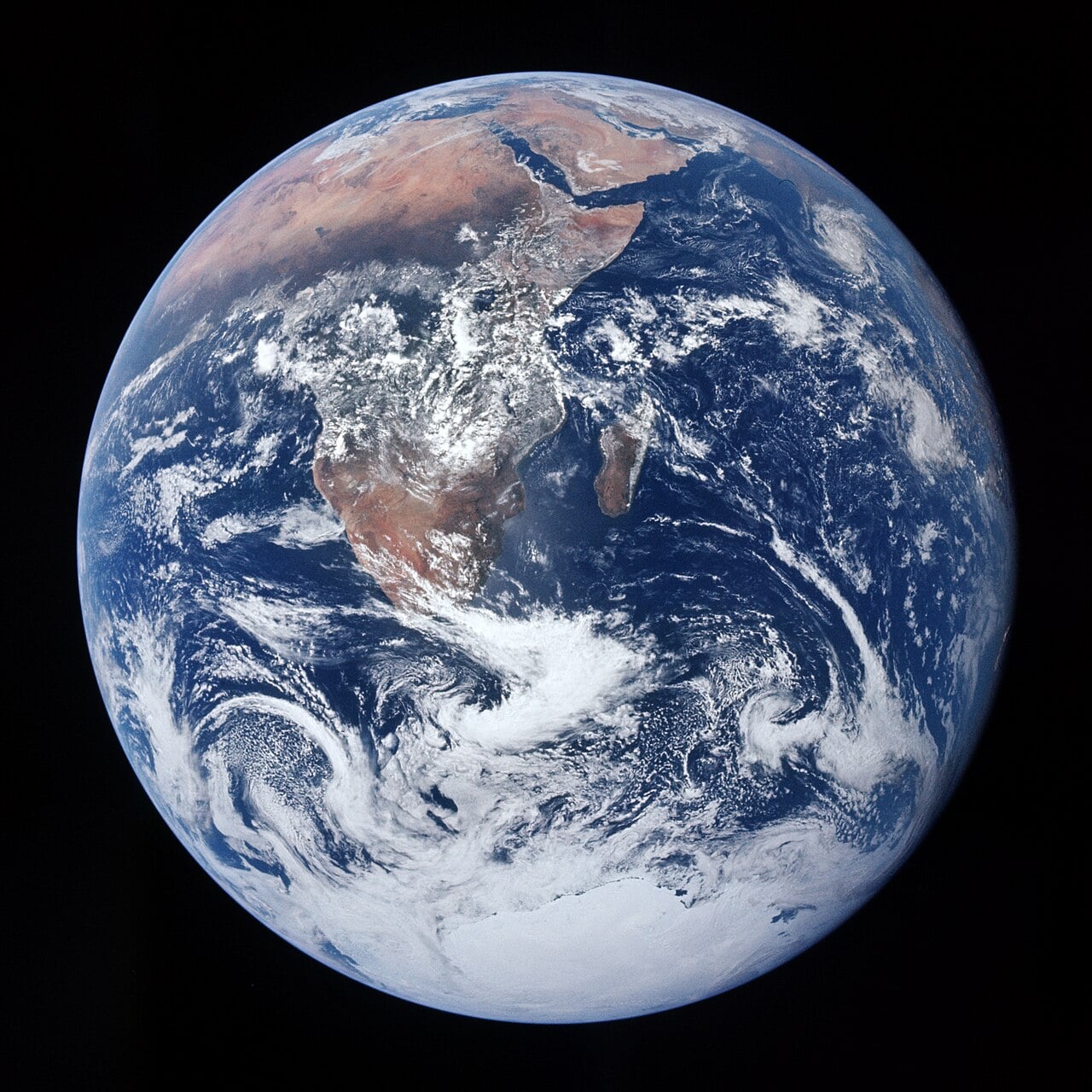
A recent study has revealed that Earth could remain a habitable planet even in the absence of life. This finding stems from a detailed computer model developed by a team of researchers, which simulated Earth’s evolution over a span of 4.5 billion years without any biological influences. By analyzing factors such as volcanic activity, atmospheric composition, and ocean chemistry, the researchers demonstrated that geological processes alone could sustain conditions suitable for life.
The study highlights a significant aspect of planetary science: while life leaves distinct signatures in a planet’s atmosphere, a lifeless Earth can still maintain comfortable surface temperatures and liquid water over extensive periods. This challenges the long-held assumption that complex life is essential for a planet’s stability and habitability.
Understanding Earth’s Lifeless Model
The team meticulously constructed their model to replicate key measurements of pre-industrial Earth. They tracked various factors, including the slow cooling of the planet’s interior and the gradual build-up of its atmosphere. Impressively, their model successfully reproduced 19 key measurements that characterize Earth’s conditions, all without any living organisms contributing to these processes.
These findings are particularly relevant as NASA develops its new Habitable Worlds Observatory (HWO). This telescope will be the first to directly image rocky planets orbiting stars similar to our own Sun. By collecting light from these distant worlds, HWO aims to decode their atmospheres in search of signs of life. Understanding what a habitable yet lifeless planet looks like is crucial for scientists to distinguish between genuinely inhabited and uninhabited worlds.
Implications for the Search for Extraterrestrial Life
The research also produced a simulated spectral signature of what a lifeless Earth would appear like to a distant telescope. This simulation serves as a crucial reference point for interpreting the data that HWO will eventually provide.
Perhaps the most intriguing implication of this study is the potential for many habitable worlds existing beyond our Solar System. If habitability does not necessarily require life to maintain it, there could be numerous planets out there with stable conditions, just waiting to be discovered. These worlds may have intact oceans and optimal temperatures, presenting a tantalizing prospect for future explorations.
In summary, this study not only enhances our understanding of Earth’s own history but also broadens the scope of how we consider habitability in the universe. The work of these researchers opens new avenues in the search for extraterrestrial life, suggesting that the cosmos may be filled with planets capable of supporting life, even if they remain lifeless for now.