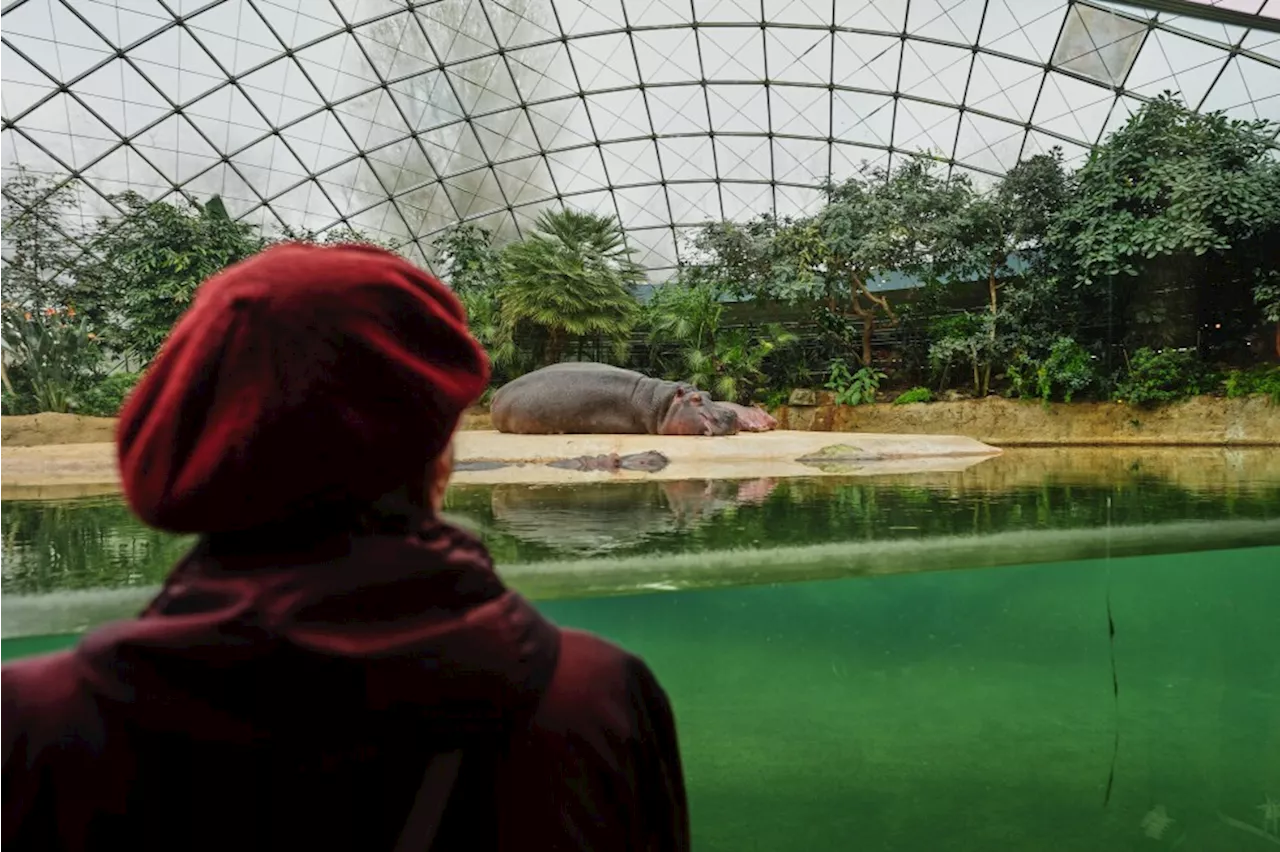
BERLIN — A groundbreaking initiative at the Berlin Zoo is creating moments of joy and connection for people living with dementia, a community often overlooked worldwide. On March 26, 2026, participants including Christel Krueger, Monika Jansen, and Ingrid Barkow experienced a specialized 90-minute tour designed just for them by Malteser Deutschland, the German arm of the Catholic aid group Malteser International.
This new program, tailored specifically for the estimated 1.6 million people with dementia in Germany, offers a calm, barrier-free cultural experience unlike typical tours which are often too fast, loud, or crowded for those with cognitive challenges. “They have a right to participate, just like everyone else,” said project coordinator Christine Gruschka, emphasizing the importance of inclusion for a group that remains largely invisible in society.
The tour focused carefully on key animal habitats—the hippo, rhino, and elephant—to avoid overwhelming participants and to stir preserved childhood memories, many of whom grew up visiting the zoo. This approach is a lifeline not only for those living with dementia but also their caregivers and families, offering a rare opportunity for connection, belonging, and shared joy amid the daily struggles of managing this progressive disease.
During the tour, participants engaged multiple senses: seeing a mother hippo and her calf through thick glass, smelling unique scents in the rhino house, and touching a cardboard replica of an elephant’s foot. Jansen, 85, shared, “When I get home, I’ll still be thinking about it… maybe even dreaming about it at night.”
For caregivers like Barkow’s daughter Manuela Grudda, who pushed her mother’s wheelchair during the tour, the experience was deeply moving. “I see that when I show her something, she pays attention, and that makes me happy,” Grudda said, spotlighting the precious moments of connection this program fosters.
This initiative runs alongside similar Malteser tours at Berlin’s Museum of Natural History, Britzer Garden, and Charlottenburg Palace with plans to expand further, setting a new standard for barrier-free cultural access. The tours address stigma and taboos around dementia by showing those affected are still present and able to engage meaningfully with the world.
As the global population ages and dementia cases rise, programs like these provide vital social and emotional support, enriching lives beyond clinical care settings. Experts say such immersive experiences can positively impact cognitive function, mood, and overall well-being, making this a pressing model for cultural institutions worldwide.
Malteser Deutschland is leading the way, proving that inclusive cultural experiences aren’t just possible—they’re essential.
“People with dementia aren’t very visible in our society. They have a right to participate, just like everyone else,” said Christine Gruschka, project coordinator.
This urgent movement highlights why American cultural centers and zoos should watch closely and adapt similar programs to support millions of families affected by dementia in the US.