Iran’s Supreme Leader, Ayatollah Ali Khamenei, is confirmed dead following military strikes conducted by the United States and Israel. This event marks a significant escalation in an ongoing conflict that began on March 1, 2026. Khamenei had been a pivotal figure in Iran’s governance since 1989, consolidating power and fostering an adversarial stance towards both the U.S. and Israel.
The Iranian state media acknowledged his death on Saturday, alongside reports of several senior military officials also being killed. This development has plunged Iran’s political and military leadership into uncertainty, raising immediate questions regarding succession and potential retaliatory actions. No clear successor has been named, amplifying fears of further instability in the region.
Escalation of Military Actions
The military strikes, part of a broader campaign aimed at dismantling Iran’s leadership and critical military assets, have intensified the conflict. On Sunday, explosions were reported in Tehran as Israeli forces executed what they described as “non-stop strikes” targeting regime facilities. In response, Iran launched missile and drone attacks on Israeli cities and U.S. military sites throughout the Middle East.
The human cost of the conflict is mounting rapidly. Reports from various human rights organizations and Iranian officials indicate significant civilian casualties, with scores of deaths and hundreds more injured across multiple provinces. An Iranian missile strike in central Israel resulted in the deaths of at least nine individuals, including children, while more than 20 others sustained injuries.
Tragedy struck further when Iranian authorities claimed that over 100 children were killed following an airstrike linked to U.S. and Israeli forces in Minab, a situation that has been condemned by the United Nations as a potential “war crime.”
U.S. Military Casualties and Regional Impact
As the conflict escalates, the U.S. Central Command (CENTCOM) reported the deaths of three American service members, with five others suffering serious injuries. The command confirmed these casualties during Operation Epic Fury, highlighting the immediate human toll on foreign military personnel involved in the ongoing violence.
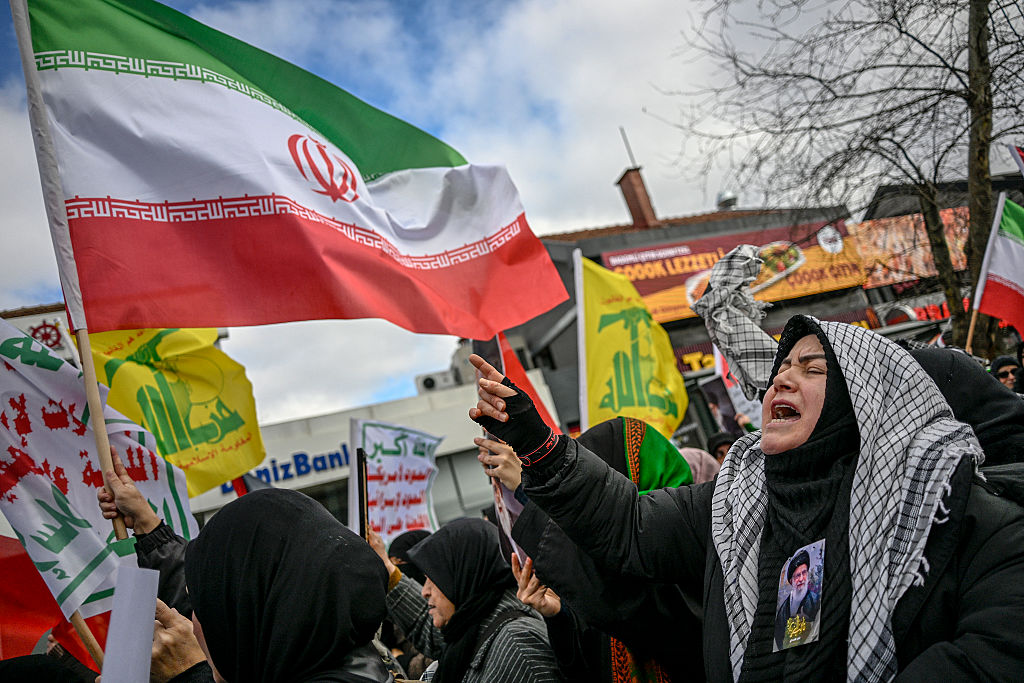
In a broader context, the ramifications of this conflict extend beyond Iran’s borders. Pro-Iran demonstrations erupted in various locations, including a protest outside the U.S. consulate in Karachi, Pakistan, where at least nine people were reportedly killed. Such incidents reflect the escalating tensions that are now reverberating throughout the region and beyond.
Airspace across the Middle East faces significant disruptions as governments grapple with the potential for a wider conflict. Global allies and partners, particularly those in the Gulf and Europe, have expressed alarm over the situation, emphasizing the risks of further regional destabilization.
This escalation follows recent debates in the U.S. Congress regarding the need for formal authorization of the military strikes under existing war powers, adding a layer of domestic political complexity to the unfolding crisis. As the situation remains fluid, the international community watches closely for developments that could reshape the geopolitical landscape.