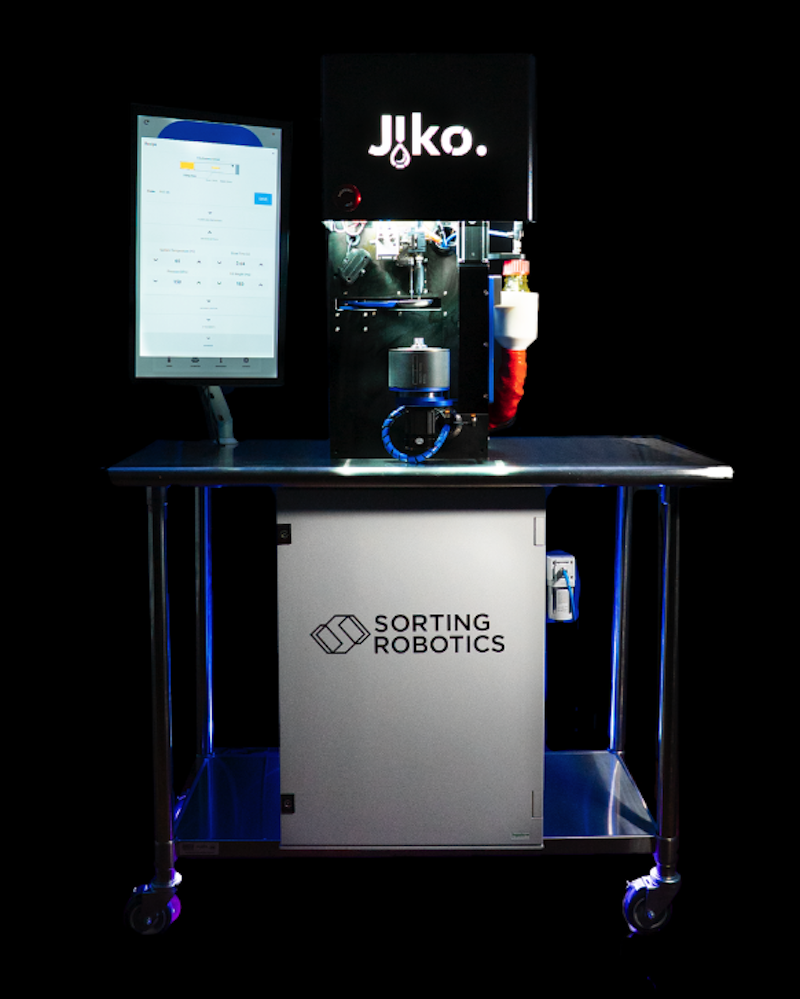
Robotics deployments often face significant challenges, primarily due to the conditions in which they operate rather than technical failures. According to Nohtal Partansky, founder and CEO of Sorting Robotics, and Patrick DeGrosse Jr, director of engineering, the issues typically arise after systems leave the validation phase and enter an unpredictable operational environment.
When robotics systems are implemented, they are expected to function effectively within their designed parameters. However, the reality of operating in dynamic environments can lead to unforeseen complications. These complications can stem from variations in the operational context that were not accounted for during the design and validation stages.
Understanding the ‘Always-On’ Environment
The term “always-on” refers to environments where robotics systems are expected to perform continuously without downtime. This expectation can lead to a range of problems that ultimately hinder successful deployments. Partansky and DeGrosse highlight that the assumptions made during the development phase often do not hold true in real-world applications.
For instance, factors such as changes in material handling, human interaction, and environmental conditions can significantly impact system performance. When these systems encounter unexpected variables, they may falter, leading to inefficient operations and increased costs. The authors stress that these issues are not merely technical failures but rather a consequence of inadequate preparation for real-world scenarios.
To illustrate, a robotics deployment in a warehouse may initially function perfectly during testing. However, once operational, it might struggle with variations in product dimensions, fluctuating conveyor speeds, or even differing staff workflows. Each of these factors can disrupt the flow of operations and reveal gaps in the system’s design.
Strategies for Improvement
To address these challenges, Partansky and DeGrosse propose several strategies aimed at enhancing the effectiveness of robotics deployments. The first step involves thorough environmental assessments prior to implementation. By understanding the specific conditions under which the robotics systems will operate, developers can tailor their designs to better accommodate potential challenges.
Additionally, they advocate for continuous monitoring and adaptation of the systems once deployed. This could involve incorporating feedback mechanisms that allow the robots to learn and adjust to their environments over time. Such adaptability could significantly improve operational efficiency and reduce costs associated with downtime.
Investing in training programs for personnel interacting with these robotics systems is another critical component. Ensuring that staff are well-versed in both the technology and the operational context can help mitigate disruptions caused by human factors.
The authors stress the importance of collaboration within the robotics industry to share insights and best practices. By creating a network of organizations willing to discuss their experiences, stakeholders can collectively enhance the standard of robotics deployments across various sectors.
In conclusion, while robotics technology holds immense potential for transforming industries, realizing this potential requires a comprehensive understanding of the environments in which these systems operate. By addressing the challenges posed by “always-on” conditions, stakeholders can improve deployment success rates and ensure that robotics fulfill their promise of enhanced efficiency and productivity.
As the robotics industry continues to evolve, it is imperative that organizations remain proactive in adapting their strategies to meet the demands of real-world applications.