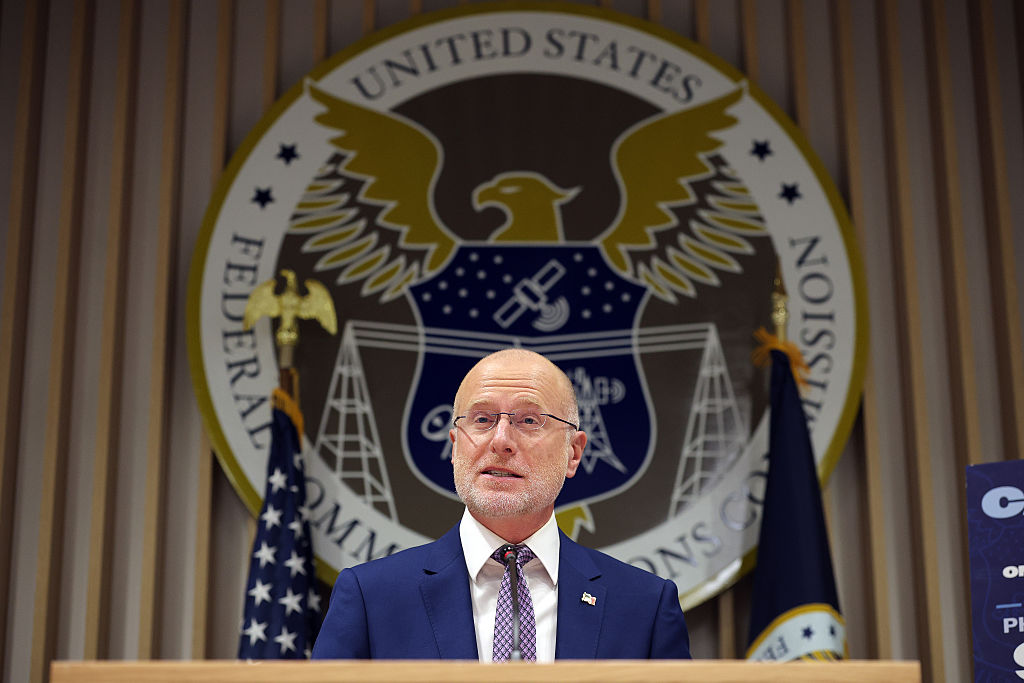
The Federal Communications Commission (FCC) has issued a stark warning to broadcasters regarding their coverage of the ongoing conflict between the United States and Iran. In a statement made on March 14, 2026, FCC Chairman Brendan Carr emphasized that news outlets must provide accurate reporting or risk facing regulatory scrutiny linked to their broadcasting licenses.
This announcement follows comments from former President Donald Trump, who accused major media organizations of misleading the public about the U.S. military campaign in Iran. Carr underscored the legal obligation broadcasters have to serve the “public interest,” suggesting that networks disseminating what he termed inaccurate information could encounter serious consequences during their license renewal process.
Carr’s remarks highlighted that broadcasters spreading misinformation, often referred to as “fake news,” have an opportunity to correct their course before facing potential license revocation. He stated, “The law is clear. Broadcasters must operate in the public interest, and they will lose their licenses if they fail to do so.”
The warning comes amid a flurry of posts from Trump on his social media platform, Truth Social, where he criticized the media’s portrayal of the war, calling it “wrong” and urging Americans to question news reports. Trump has regularly claimed that coverage distorts the realities of U.S. military actions against Iranian targets.
Concerns Over Press Freedom and Government Pressure
Press freedom advocates and media analysts have expressed alarm that these comments may indicate a troubling trend of government pressure on news organizations during wartime. The controversy arises during a period of increased scrutiny of large media companies and their relationships with federal regulators, particularly as significant corporate restructuring and potential mergers are underway.
Recent events involving CBS have fueled discussions about editorial independence, especially after a segment of “60 Minutes” reportedly faced internal review before airing. Additionally, political commentary shows, such as those hosted by late-night comedians like Stephen Colbert, have attracted criticism from conservative factions.
Critics warn that the combination of political pressure and regulatory authority could create a chilling effect within newsrooms, particularly as the administration challenges unfavorable reporting on the war. Brian Schatz, a U.S. Senator, remarked, “This is a clear directive to provide positive war coverage or else licenses may not be renewed. The stakes here are much higher.”
Despite the backlash, Carr defended the FCC’s stance, asserting that broadcasters utilizing publicly licensed airwaves have a responsibility to deliver accurate information to their audiences. The ongoing debate reflects a growing rift between the current administration and major news outlets, raising significant questions about how the conflict will be reported to the American public.
As the war continues and news coverage evolves, the implications of the FCC’s warning could resonate widely, impacting how broadcasters navigate their reporting responsibilities amidst heightened scrutiny and potential regulatory repercussions.