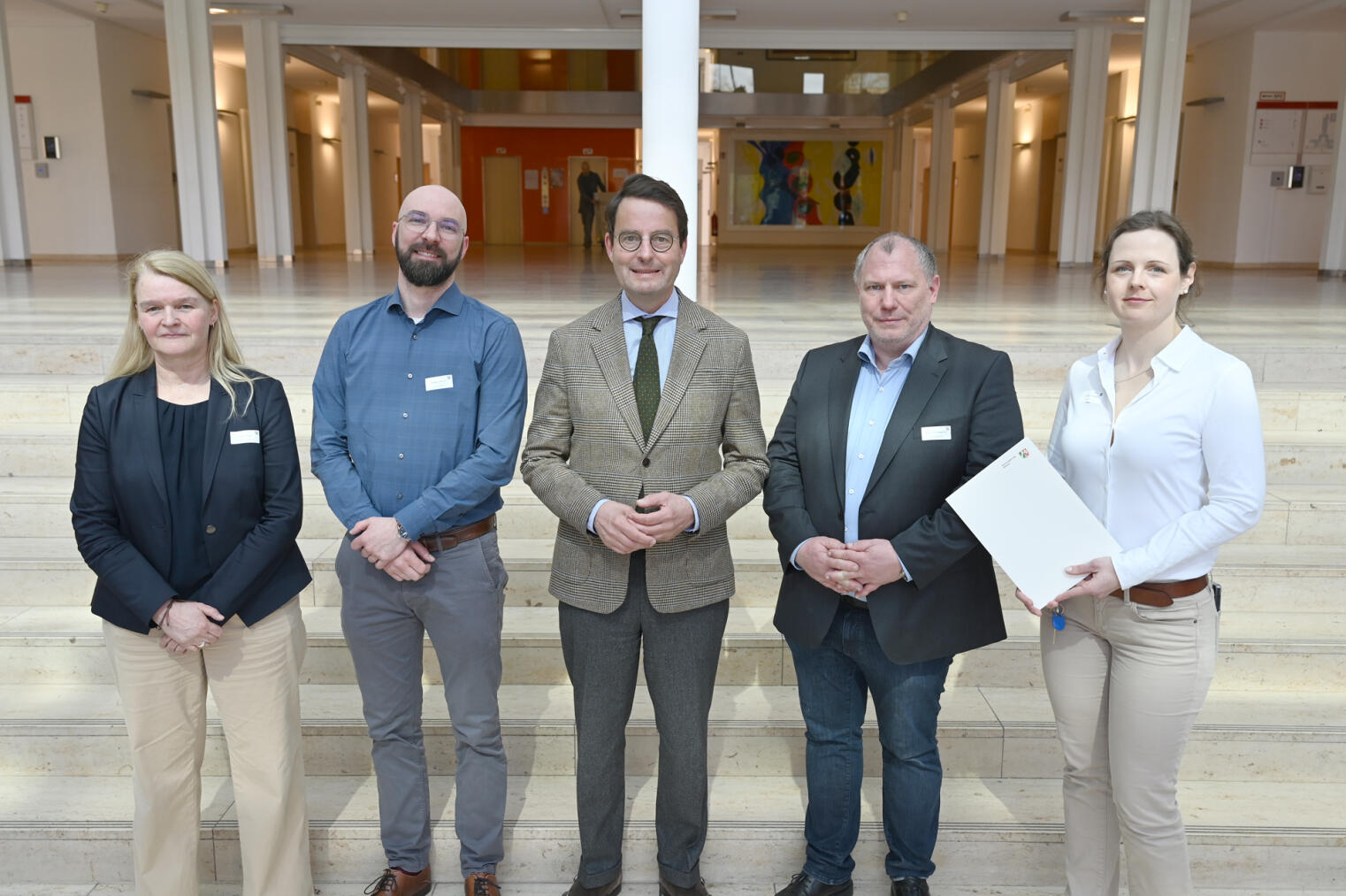
MEET Battery Research Center Unveils Cutting-Edge Modular Battery Production Line
The MEET Battery Research Center at the University of Münster is making waves in energy tech by launching a pioneering modular pilot production line designed to accelerate battery innovation across diverse materials. The REFlexBatt 2.0 project, officially funded with close to €5 million from the European Union and North Rhine-Westphalia, promises to reshape the future of battery manufacturing.
This new automated battery cell production line, revealed on April 9, 2026, introduces unprecedented flexibility in producing cells with various material chemistries, including emerging sodium and potassium-based batteries. The modular design allows for rapid switching of contact components and adaptable process steps, crucial for integrating next-gen battery technologies swiftly without contamination risks.
The Fast Track to Safer, More Sustainable Batteries
Dr. Markus Börner, Head of Research Division Cell System, explained the urgency: “The battery market continues to diversify rapidly with new materials demanding flexible manufacturing. Our pilot line’s short changeover times will speed up innovation and bring new cell chemistries to market faster.”
Such adaptability is vital as the energy storage sector pushes to meet soaring demands for greener, higher-performance power solutions. By closing the gap between laboratory prototypes and scalable industrial production, the REFlexBatt 2.0 pilot line is a game-changer for technology transfer.
Collaboration, Funding, and Future Impact
In partnership with Safion GmbH, the three-year initiative benefits directly from the Forschungsinfrastrukturen.NRW funding program, ensuring robust infrastructure to drive advancement. Regional President Andreas Bothe highlighted the broader significance: “This supports resource-efficient supply chains in North Rhine-Westphalia and across the European Union, underpinning battery research spanning from basic science to industry application.”
The modular pilot line’s ability to build multi-layer cells early in development not only expedites testing but promises faster scale-up to full industrial manufacturing, eliminating traditional bottlenecks. This advancement boosts global competitiveness and sustainability in a fiercely evolving battery landscape.
Why American Audiences Should Watch This Development
While based in Germany, the innovations at MEET Battery Research Center bear direct implications for American industries tightly linked to electric vehicles, consumer electronics, and renewable energy storage. The acceleration of flexible battery production could influence supply chains and technology roadmaps worldwide, including the US, as demand grows for safer, more efficient power sources.
The modular pilot line sets a new standard for rapid adaptation to new battery chemistries, potentially reducing costs and improving performance for the next wave of energy solutions, vital for US efforts to decarbonize transportation and energy systems.
What’s Next for REFlexBatt 2.0?
The project, continuing through the next several years, will focus on refining scalability and integrating additional innovative materials and designs. Stay tuned for future breakthroughs as MEET Battery Research Center moves from pilot testing to practical deployment that could reshape how batteries power the world.
MEET’s breakthrough in modular battery production represents a crucial turning point for the global energy storage market, promising faster innovation cycles and expanded material possibilities – all essential for meeting immediate and future energy challenges.