Congressman Ryan Demands Investigation After Deadly Kuwait Drone Strike Kills Six U.S. Soldiers
WASHINGTON – Congressman Pat Ryan (D, NY-18) and 12 other House Democratic veterans issued a sharp call for a thorough investigation into force protection failures following a deadly drone strike in Kuwait that killed six U.S. Army Reserve soldiers.
The strike targeted a U.S. military command center in Port Shuaiba, Kuwait, on March 1, during heightened tensions at the start of the war with Iran. The attack killed six soldiers from the 103rd Sustainment Command, raising urgent questions about the U.S. military’s ability to anticipate and counter known threats.
Ryan’s letter to Defense Secretary Pete Hegseth, sent this week, alleges glaring failures in force protection that allowed the strike to succeed, despite extensive intelligence about Iranian one-way attack drones.
“Secretary Hegseth owes the American people, especially the families of the six brave patriots who lost their lives in the attack on a U.S. military site in Kuwait, honest answers and full accountability,” Ryan wrote.
Demand for Accountability and Transparency
The letter challenges the Pentagon to provide a full review of what went wrong, citing testimony from service members wounded in the strike and public reports. Ryan and his colleagues accuse Secretary Hegseth of evading responsibility and misleading the media about the nature and scope of the attack.
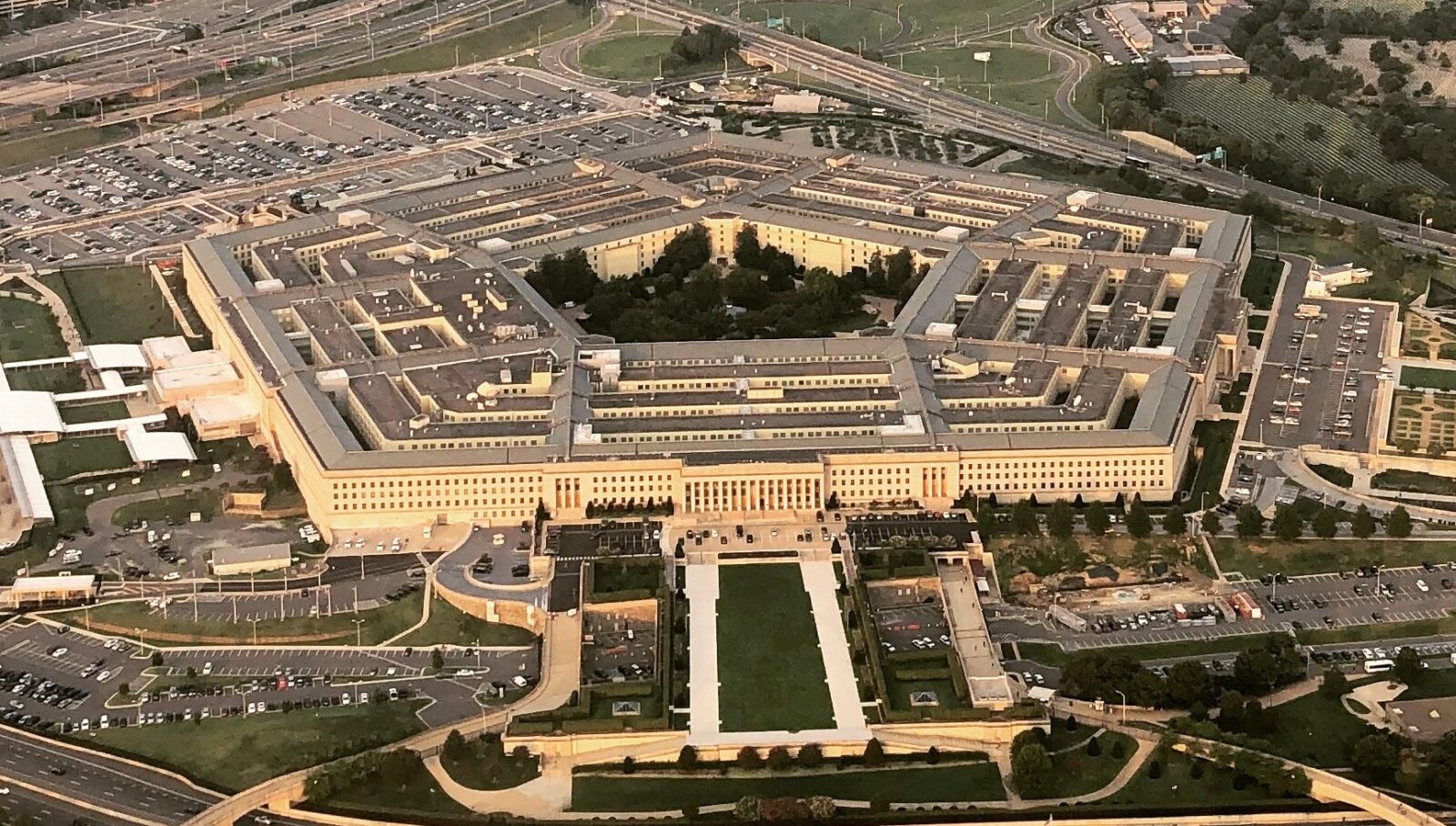
A Pentagon official confirmed the incident remains under active investigation. “We have received the letter, and we welcome the opportunity to respond directly to their questions,” the official told Mid-Hudson News on Thursday afternoon.
The lawmakers call for a comprehensive probe including all physical evidence, operational data, firsthand accounts, and after-action reviews. They also want a detailed plan on how the Defense Department plans to safeguard U.S. forces, with a written response demanded by May 22.
Escalation in the Middle East Raises Stakes
Ryan’s demand comes amid growing concern over the increasing risk to U.S. personnel in the Middle East. With more than 50,000 American troops stationed in the region, the deadly drone strike exposes glaring vulnerabilities to emerging Iranian military tactics and weapon systems.
“As President Donald Trump continues to escalate the war in the Middle East, it’s essential that we get answers on the department’s failure to understand and mitigate the widely known risk posed by one-way Iranian attack drones,” Ryan stated.
The attack at Port Shuaiba marks one of the deadliest assaults on U.S. forces in Kuwait and underscores the dangers posed by unmanned aerial vehicle (UAV) technology in modern combat zones.
What Happens Next?
Families of the fallen and U.S. military personnel are awaiting answers as the investigation unfolds. The Pentagon’s response to the congressional inquiry will be closely watched, especially its plan to protect American troops from future drone and missile threats.
As the probe advances, it will shape policy decisions affecting U.S. military posture across the volatile Middle East, potentially altering force protection protocols and engagement rules.
This developing story highlights the urgent need for transparency and accountability in America’s ongoing military operations abroad — and the human cost of gaps in defense readiness.
Stay tuned for updates as more information emerges from the Pentagon and lawmakers continue to push for justice and full answers for the soldiers who lost their lives in Kuwait.