Netherlands Accelerates Military Reserve Growth with Royal Backing
The Netherlands is racing to more than double its volunteer military reservists after Queen Maxima and Princess Amalia enlisted as reservists, sparking a massive surge in recruitment that is now straining training and equipment capacities. Authorities are scrambling to equip and prepare thousands of eager new recruits amid escalating European security threats.
State Secretary for Defense Derk Boswijk confirmed the extraordinary impact of the royal family’s involvement, dubbing it the “Amalia effect.” The current force of about 9,000 volunteer reservists is set to expand to at least 20,000 by 2030, part of the government’s plan to raise total military personnel from 80,000 to 120,000 by 2035.
Surging Demand Overwhelms Military Infrastructure
The Dutch military is currently facing a “luxury problem” as it struggles to handle more applications than it can process. Recruiters and training facilities are stretched thin, with shortages of uniforms, weapons, housing, and slots for hands-on exercises. The sudden influx underscores the urgency of expanding defense capabilities as tensions in Eastern Europe intensify.
“It’s very inspiring to see how members of our royal family inspired people to join our armed forces,” Boswijk told The Associated Press, highlighting the unique boost royal enlistments provide in encouraging civic duty and national defense.
Rising European Security Concerns Drive Recruitment Push
The Dutch recruitment surge mirrors a wider European military buildup prompted by Russia’s war in Ukraine and fears that President Vladimir Putin may launch new assaults elsewhere on the continent within the next three to five years. NATO strategically urges member states to develop fast-deployable, mobile forces prepared for large-scale conflicts.
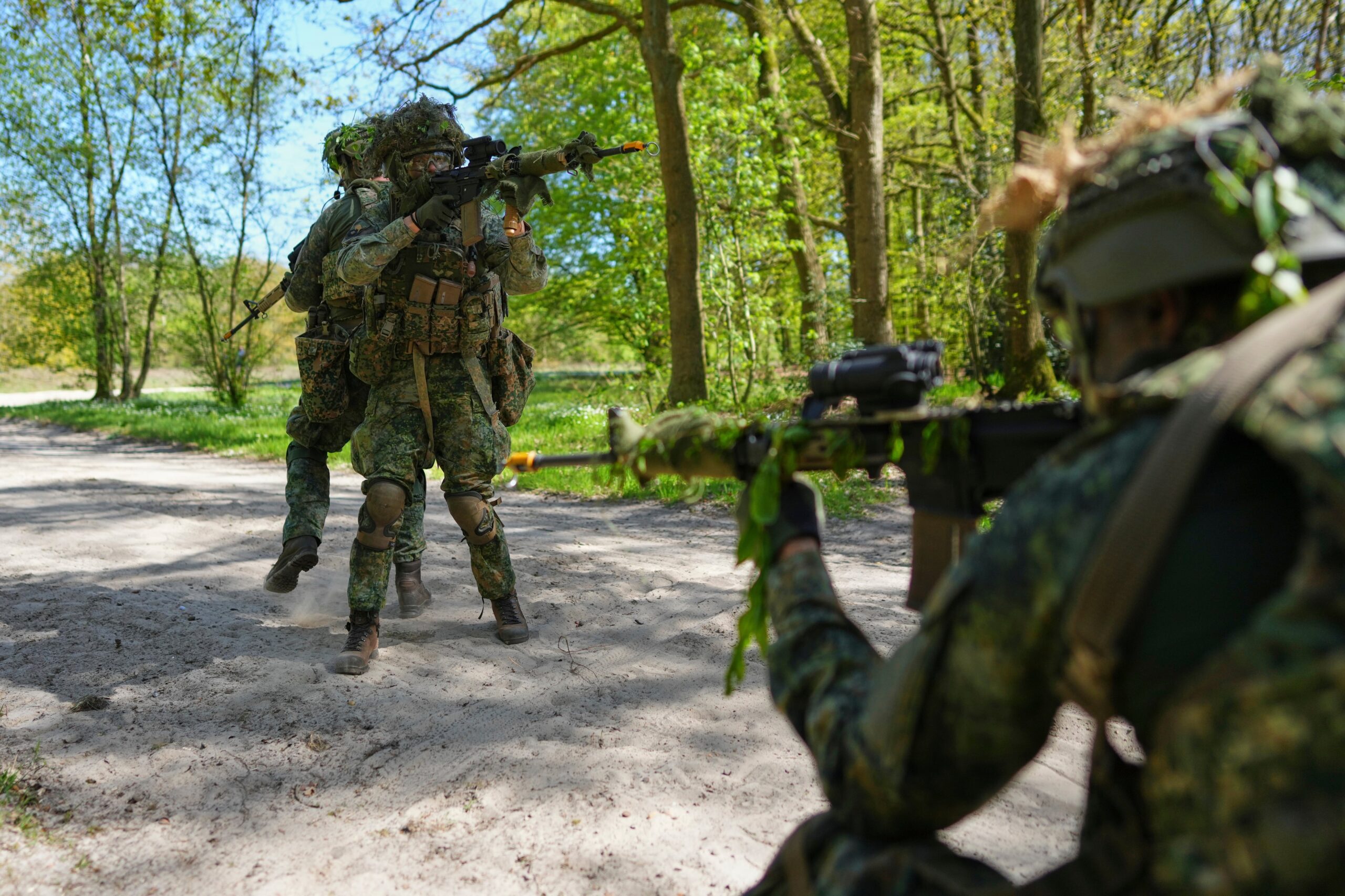
Reserve troops like those training with the 10th Infantry Battalion Guard Security Corps National Reserve are pivoting from traditional peaceful missions to a stronger focus on infantry skills and defense of vital infrastructure. A reservist explained that heightened threats are reshaping their mindset: “We are here to defend our country and to make sure to keep the threat down.”
Volunteering Replaces Conscription in Dutch Defense Strategy
The Netherlands has suspended conscription since 1997 and currently has no plans to reinstate it. Instead, the Defense Ministry targets a broad range of recruits, emphasizing diverse skills beyond combat — including cyber defense experts and tech-savvy personnel.
“Threats have expanded from traditional battlefields into cyberspace and the digital world,” Boswijk said, noting the military wants “people wearing hoodies, having blue hair” who “can game perfectly.” Recruitment campaigns leverage this modern, inclusive messaging alongside the royal endorsement to attract younger generations.
European Wave of Military Expansion and Modernization
Similar to the Netherlands, countries across Europe are intensifying military recruitment efforts. Germany is considering better pay and flexibility for short-term recruits to avoid reinstating a draft. France aims to recruit thousands of young volunteers for a new 10-month uniformed program starting this September. In Nordic countries closest to Russia, conscription remains active or has returned, reflecting heightened regional insecurity.
Responding to History and the Present Threat
Many Dutch volunteers express a desire to prevent the rapid invasion their country suffered during World War II, when German forces took control in just five days. Lisette den Heijer, who attended a military information session, said: “I don’t want history to repeat itself.” Their commitment comes as the geopolitical landscape darkens, prompting citizens to step up for national defense.
A Day in the Life of Dutch Reservists
Reservists generally commit to 300 hours of service per year, including regular weekend exercises like those in the eastern Netherlands forest where soldiers train with live-fire drills and tactical maneuvers before returning to civilian life. Traditionally tasked with guarding domestic sites and emergency response, their role is evolving as threats mount on home soil.
What’s Next for Dutch Military Reserves?
The Defense Ministry faces an urgent challenge to expand training capacities and infrastructure to accommodate the swelling ranks. With strong political backing and public enthusiasm fueled by royal role models, the Netherlands is on track to transform its military reserves into a robust and ready force by 2030 capable of responding to intensifying regional dangers.
American and NATO officials will be watching closely as the Netherlands’ ambitious military buildup unfolds amid ongoing tensions in Europe and uncertainties surrounding NATO’s future cohesion and preparedness. The surge in volunteerism offers a critical sign of public resolve in a potentially volatile security environment.