Tom Cousineau’s Unbelievable NFL Draft Twist Rocks Football Fans
The football world is still buzzing over the unprecedented career of Tom Cousineau, Ohio State’s legendary linebacker and the first overall pick in the 1979 NFL Draft. Facing tough contract negotiations with the Buffalo Bills, Cousineau stunned everyone by signing with the Montreal Alouettes of the Canadian Football League—marking the first time since 1960 that the NFL’s top draft pick chose to play elsewhere.
This move sent shockwaves through the NFL just months after Cousineau was selected, disrupting league expectations and triggering a domino effect that would reshape multiple franchises. Not only did this decision highlight player power and contract leverage during the era, but it also altered the Buffalo Bills’ future, contributing indirectly to the rise of Hall of Fame quarterback Jim Kelly.
From Ohio State Dominance to a Surprising Career Detour
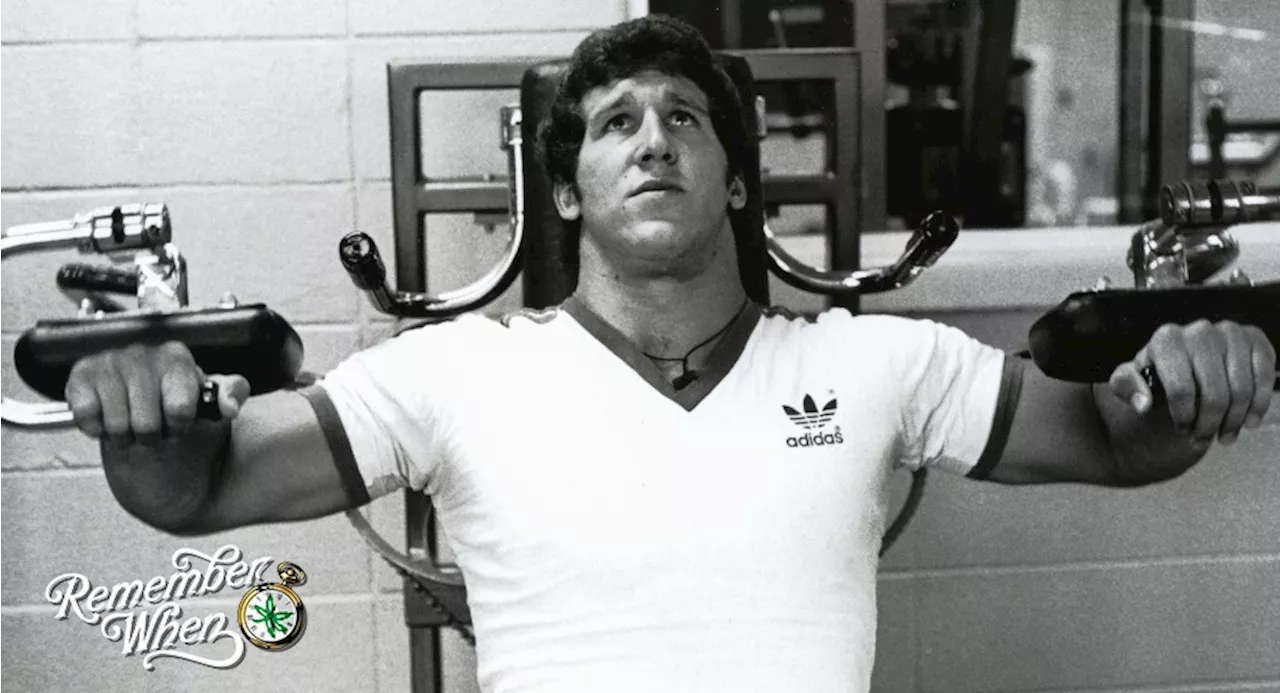
Cousineau earned his place among the greats early on at Ohio State. Freshman year under legendary coach Woody Hayes, he instantly stood out, breaking nearly every tackling record imaginable by the time he finished his college career. Twice named an All-American and crowned the Chicago Tribune’s Big Ten MVP in 1978, Cousineau was the obvious No. 1 pick at the 1979 NFL Draft—held at New York’s storied Waldorf-Astoria Hotel.
The Buffalo Bills, owners of the first pick thanks to the trade that sent O.J. Simpson to San Francisco, expected to quickly seal the deal with Cousineau. The New York Times had predicted no surprises until after his selection, underscoring how solid the consensus was that he was the top prospect.
Contract Standoff Sparks Historic CFL Move
But negotiations quickly turned contentious. Bills owner Ralph Wilson pushed back on Cousineau’s contract demands, offering a $1.2 million deal over five years but suggesting Cousineau test the market if unsatisfied. The linebacker soon found a lucrative alternative with the CFL’s Montreal Alouettes, who offered a $150,000 annual salary plus a $200,000 signing bonus.
Within three months of the draft, Cousineau accepted the Alouettes’ offer, stunning NFL officials and fans alike. This groundbreaking move made waves because it challenged player norms and the NFL’s dominance in professional football.
“I think I can be very effective because the game is fast and wide open,” Cousineau told the New York Times after deciding to play north of the border.
His gamble paid off. He quickly earned the Grey Cup Defensive MVP in his rookie CFL season and later won the James P. McCaffrey Trophy as the East Division’s outstanding defensive player.
Return to the NFL Sparks Major Team Shakeups
After three successful CFL seasons, Cousineau opted out of his contract to try his NFL career. But the Bills’ franchise rights complicated his path. When the Houston Oilers made a massive $2.5 million offer over five years—including a $500,000 signing bonus—Buffalo couldn’t or wouldn’t match it.
The solution? Buffalo traded Cousineau to the Cleveland Browns, owned by Art Modell, who had long coveted the local star. In exchange, the Bills secured a first-, second-, and third-round pick—the first-rounder later becoming none other than Jim Kelly, a cornerstone of Buffalo’s legendary “K-Gun” offense and future Hall of Famer.
Cousineau played four years in Cleveland, earning second-team All-Pro honors in 1984, then capped his career with two seasons at the San Francisco 49ers before retiring to Ohio.
Legacy of a Trailblazer and Franchise Shaper
Tom Cousineau’s career is a rare blend of dominance, unexpected choices, and reshaping NFL history from behind the scenes. As Ohio State’s first-ever No. 1 overall draft pick, his journey broke conventions and demonstrated the evolving dynamics of player rights and contract power in professional football.
His 2016 induction into the College Football Hall of Fame cements his status as a Buckeye legend—and one of the most unusual top picks in NFL history.
Football fans should watch for renewed appreciation of Cousineau’s impact, especially as today’s players navigate their own paths amid a changing sports landscape. His story remains a powerful reminder that sometimes the biggest plays happen off the field.