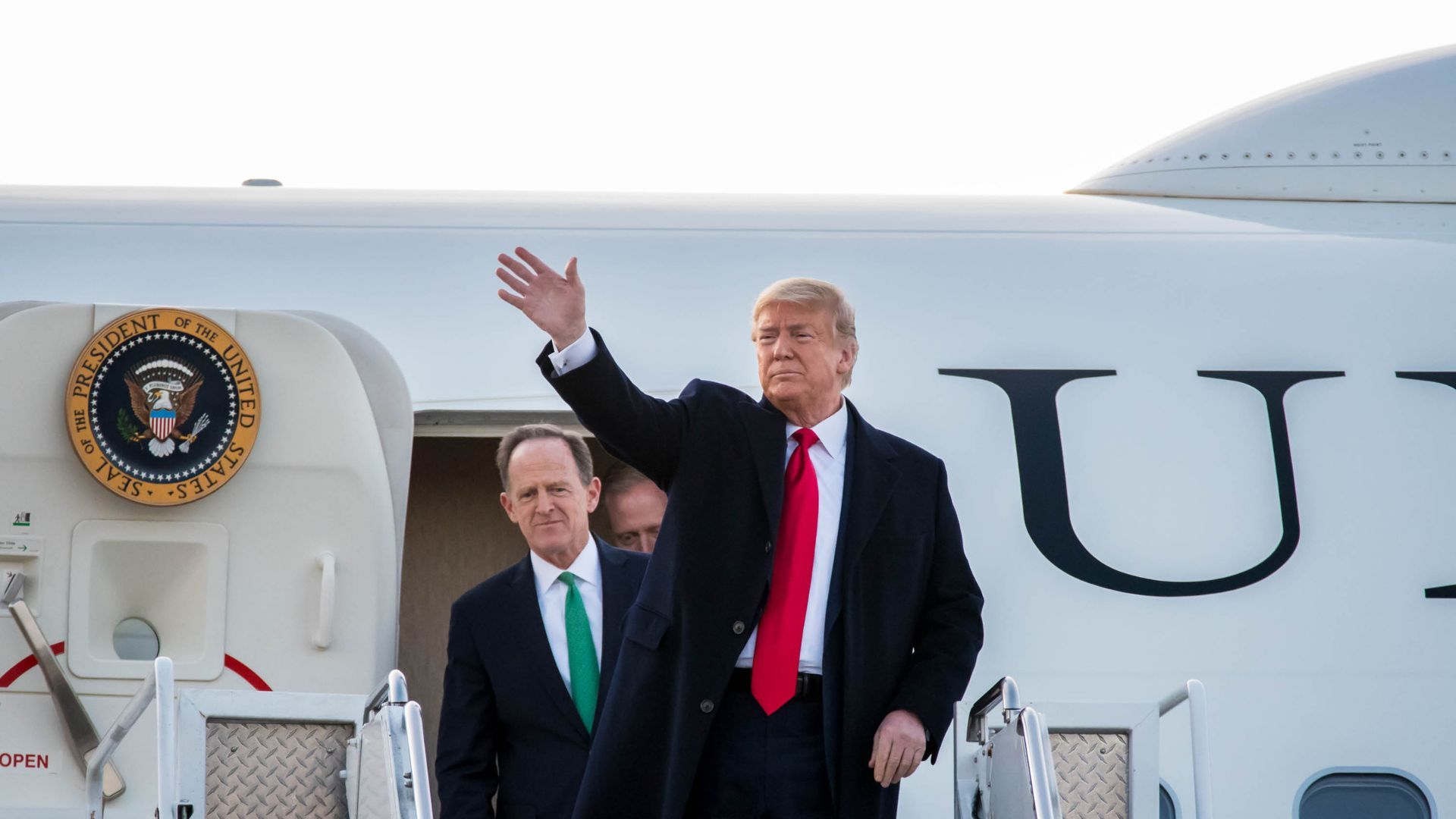
In a significant legislative move, Florida lawmakers have approved a bill to rename Palm Beach International Airport to “President Donald J. Trump International Airport.” The proposal has been forwarded to Governor Ron DeSantis for final approval. This decision comes amidst a backdrop of political division and raises questions about the implications of branding public infrastructure after a living president.
Supporters of the name change argue it acknowledges Donald Trump‘s deep ties to South Florida and his role as the first president from the state. They highlight his frequent engagements with world leaders at his nearby Mar-a-Lago estate. Conversely, opponents claim that renaming a major airport after a sitting president politicizes a public asset and could set a concerning precedent for future governance.
Legal and Financial Implications of the Renaming
The legislation passed comfortably through Florida’s Republican-led legislature, despite significant objections from Democratic members. These critics warned that the bill undermines local control over public infrastructure, centralizing naming authority at the state level.
The bill’s approval is expected to prompt a costly rebranding initiative. Initial estimates suggest that the state could spend up to $5.5 million on new signage, digital updates, and other branding changes. Critics, including Senate Democratic Leader Lori Berman, have voiced concerns that taxpayer money should not be used to elevate a divisive political figure: “This bill exists for one reason: to satisfy one large ego. And satisfying that ego isn’t free.”
In addition to the political and financial dimensions, the renaming introduces complex legal issues surrounding trademark rights. Prior to the legislative vote, DTTM Operations LLC, the Trump family’s trademark entity, filed applications to trademark several iterations of the proposed airport name. This action raises significant questions about the potential commercialization of a public airport’s identity.
Trademark Controversies and Their Consequences
The trademark filings cover a broad spectrum of commercial categories, including merchandise and promotional goods. This means that any business wishing to use the airport’s new name for commercial purposes may need to seek permission from the Trump organization, potentially complicating operations for airlines, concessionaires, and other stakeholders.
Importantly, aviation regulators, including the Federal Aviation Administration (FAA), do not have jurisdiction over trademark disputes. Any conflicts arising from these trademark issues would be settled in civil courts, creating a complex landscape for aviation businesses that must navigate both operational requirements and intellectual property law.
Historically, U.S. courts have been skeptical of trademarks that attempt to monopolize place names, particularly those that serve as generic identifiers. Yet, trademarks associated with specific commercial goods could withstand legal scrutiny. If upheld, this legal framework could encourage similar trademark efforts across other public facilities, potentially transforming how government entities manage public branding.
Currently, the future name of the airport is pending FAA approval and the resolution of any rights agreements associated with Trump’s name. Regardless of the outcome, this situation underscores a growing tension between public ownership and private brand control in the aviation sector. The existence of a trademark over a public airport’s name could influence how businesses approach branding and risk management in the future, marking a shift in the relationship between commercial interests and public infrastructure.